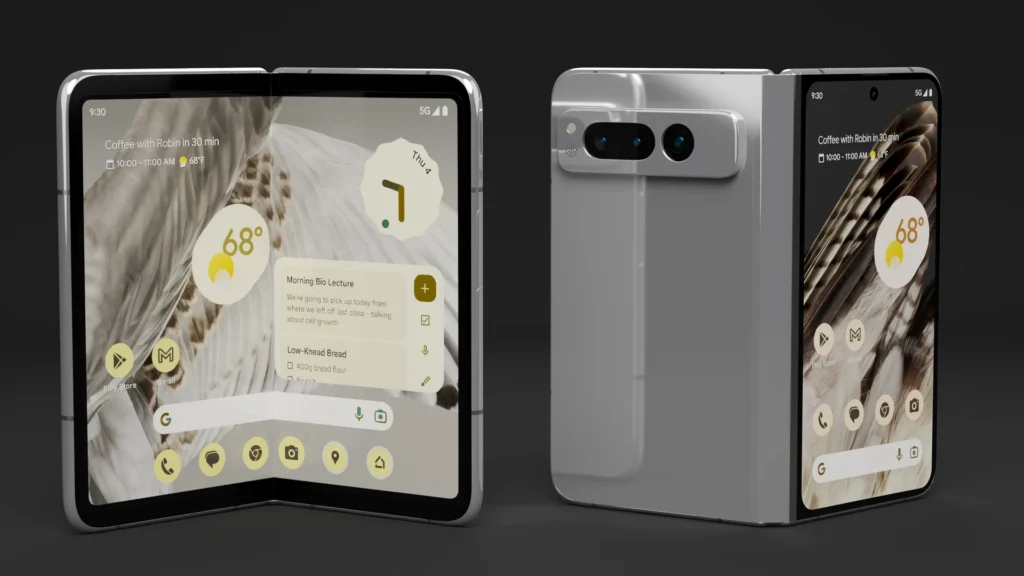
Foldable smartphones have become one of the most interesting developments in the mobile phone industry, offering users a larger display in a compact form factor. Now, exploring these devices online is becoming more interactive as 3D models of foldable phones can be opened and closed directly on the website.
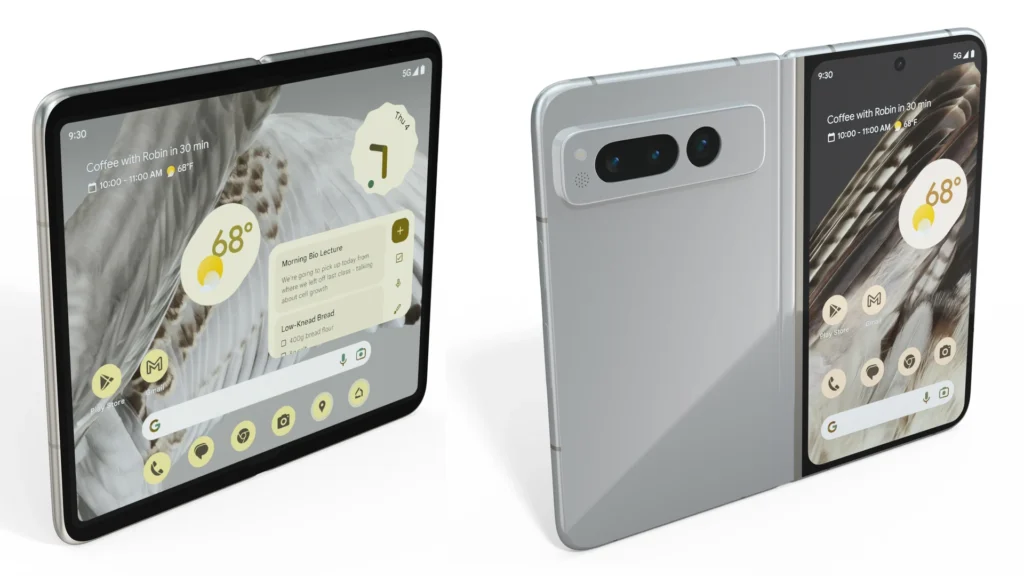
The new interactive 3D experience allows visitors to get a better idea of how a foldable phone looks in both its folded and unfolded states. Instead of viewing only traditional product images, users can interact with the model and examine the phone’s design from different angles.
Interactive Foldable Phone Models
Traditional smartphone images provide only a limited view of a device. This can be particularly challenging with foldable phones because their design includes moving parts, hinges and multiple display configurations.
With interactive 3D models, users can open and close supported foldable phones to understand how the mechanism works. The experience provides a more realistic representation of the device compared with static images.
Users can also examine the overall design of the phone while switching between its folded and unfolded form.
A Better Way to Explore Foldable Designs
Foldable smartphones are available in several different designs. Some models use a book-style folding mechanism, while others feature a smaller cover display and a larger internal screen.
Being able to interact with a 3D model makes it easier to understand these differences. Users can see the phone’s proportions when closed and then observe how the display expands when the device is opened.
This can be especially useful for people who are researching a foldable smartphone before deciding which model to buy.
Why 3D Models Matter for Foldable Phones
The physical design of a foldable smartphone is an important part of the overall user experience. Unlike conventional phones, foldable devices have additional considerations such as hinge design, thickness, screen placement and folding direction.
A 3D model can provide a clearer visual representation of these elements. Instead of relying entirely on written specifications, users can interact with the phone and see its form from multiple perspectives.
The interactive feature also makes browsing smartphone specifications more engaging.
Open and Close the Phone
One of the main features of the updated 3D models is the ability to open and close the phone. This gives users a quick demonstration of the device’s folding mechanism.
When the model is closed, users can see the compact form of the smartphone. Opening it reveals the larger internal display and gives a better understanding of how the two sections connect.
The feature can also help users compare different foldable designs without having to handle the physical devices.
Foldable Phones Continue to Evolve
The foldable smartphone market continues to develop as manufacturers experiment with new form factors, thinner designs and improved hinge mechanisms. Modern foldables are increasingly focused on making the transition between folded and unfolded modes feel natural.
Interactive 3D models can complement these developments by giving consumers a more detailed look at the hardware before they visit a store or purchase a device online.
More Interactive Smartphone Information
The addition of open-and-close functionality makes 3D smartphone models more useful than simple rotating product renders. It provides additional context about how a foldable phone actually changes shape during everyday use.
For technology enthusiasts, smartphone buyers and anyone interested in foldable devices, the interactive models offer a convenient way to explore these phones from different angles.
As foldable technology continues to evolve, interactive product visualization could become an increasingly common way for consumers to understand complex smartphone designs.
Conclusion
The ability to open and close 3D models of foldable phones provides a more detailed and interactive way to explore these devices online. Users can now better understand the difference between folded and unfolded configurations while examining the phone’s overall design.
For a category where form factor is just as important as specifications, interactive 3D models can make it easier to visualize what a foldable smartphone looks and feels like in different positions.
FAQs
1. What are interactive foldable phone 3D models?
Interactive 3D models are digital representations of foldable smartphones that allow users to explore the device and, on supported models, open and close it virtually.
2. Can users open and close the 3D phone models?
Yes. The updated models allow users to switch between folded and unfolded positions for supported foldable phones.
3. Why are 3D models useful for foldable smartphones?
They help users understand the phone’s physical design, folding mechanism, proportions and display configuration more clearly than static images.
4. Can 3D models replace physical smartphone testing?
3D models can provide a useful visual experience, but they cannot completely replace physically handling a smartphone to assess factors such as weight, grip and hinge feel.
5. Will more foldable phones get interactive 3D models?
Interactive 3D visualization can be expanded to additional foldable models, allowing users to explore more devices in both folded and unfolded configurations.