Motorola is preparing to expand its premium smartphone lineup with a new device under the “Motorola Signature” branding, and recent reports suggest that the upcoming model will come with native stylus support. This move signals Motorola’s intent to compete more aggressively in the productivity-focused smartphone segment, where stylus-enabled devices continue to attract professionals, students, and creative users.
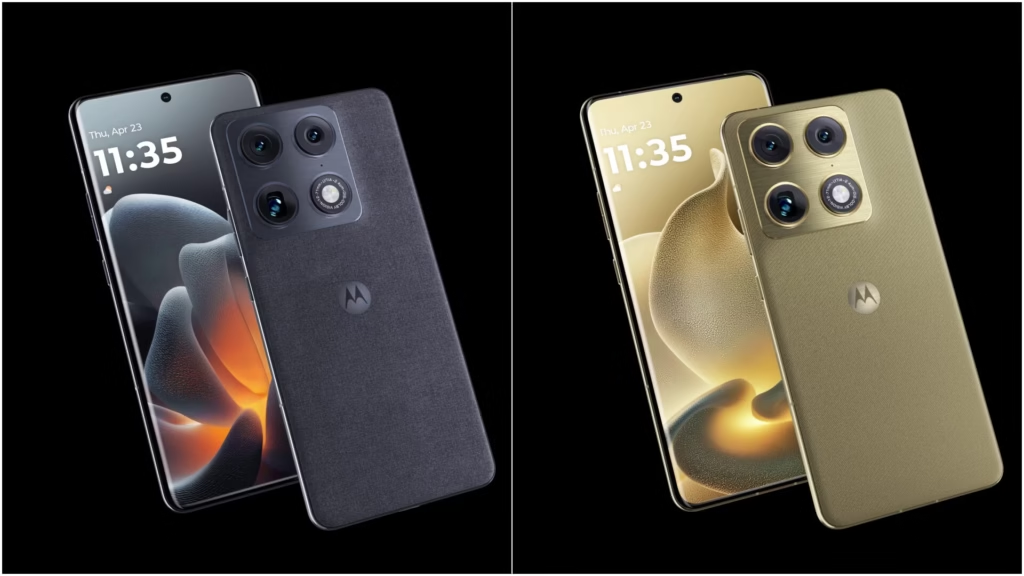
The inclusion of a stylus in the Motorola Signature series indicates a strong emphasis on functionality alongside premium design. While Motorola has traditionally focused on clean Android experiences and solid hardware, stylus support could significantly enhance how users interact with the device. From note-taking and sketching to document editing and precise navigation, a stylus brings added versatility that touch-only smartphones often lack.
Early information suggests that Motorola may integrate the stylus directly into the phone’s body, similar to other flagship stylus phones in the market. This would allow users to carry the stylus conveniently without needing a separate accessory. A built-in stylus slot also improves usability, ensuring the stylus is always available when needed. If implemented well, this could be a major selling point for business users and students who rely heavily on digital note-taking.
On the software side, Motorola is expected to optimize its near-stock Android interface to support stylus-specific features. These could include quick note access from the lock screen, handwriting-to-text conversion, screenshot annotations, and drawing tools. Motorola’s lightweight software approach may work in its favor, offering a smooth and clutter-free stylus experience without overwhelming users with unnecessary features.
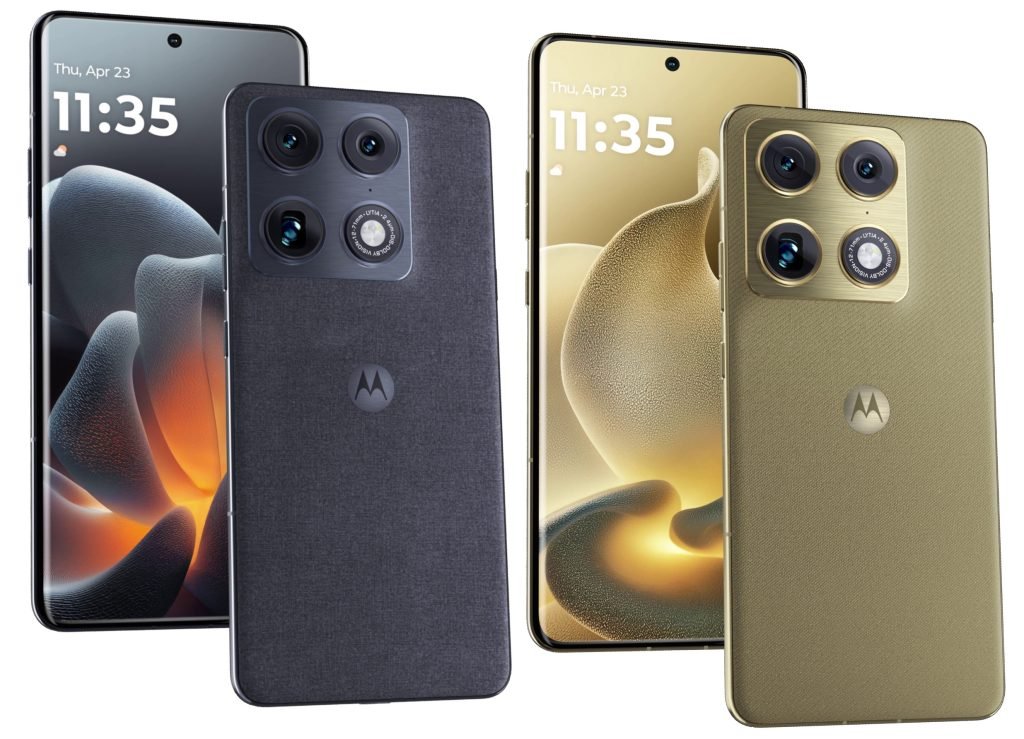
The Motorola Signature branding hints at a premium build quality, which could include high-end materials, a refined design, and flagship-level specifications. While exact hardware details are still unknown, expectations include a high-refresh-rate display, powerful processor, ample RAM, and a large battery to support productivity-heavy usage. A stylus-enabled phone typically benefits from a larger screen, making multitasking and creative work more comfortable.
Camera performance is also likely to remain a key focus. Motorola has been steadily improving its camera technology, and the Signature model may feature advanced sensors and AI-powered enhancements. Stylus support could further complement camera features by enabling precise photo editing and annotation directly on the device.
By introducing stylus support in the Signature lineup, Motorola appears to be targeting users who want more than just a stylish smartphone. This strategy could help the brand differentiate itself in a crowded premium market while appealing to a niche audience that values productivity tools. If priced competitively, the Motorola Signature stylus phone could become a strong alternative to existing stylus-centric smartphones.
As anticipation builds, more details regarding launch timing, specifications, and pricing are expected to surface in the coming weeks. If Motorola executes this concept effectively, the Signature series could mark a new chapter for the brand in the premium productivity smartphone space.
Frequently Asked Questions (FAQs)
Q1. Will the Motorola Signature stylus be built-in?
While not officially confirmed, reports suggest the stylus may be integrated into the phone’s body for added convenience.
Q2. What are the main benefits of stylus support on Motorola Signature?
Stylus support enables precise note-taking, drawing, document editing, and better overall productivity.
Q3. Will the Motorola Signature run stock Android?
The device is expected to feature Motorola’s clean, near-stock Android interface with stylus optimizations.
Q4. Is the Motorola Signature a flagship smartphone?
Yes, the Signature branding indicates a premium device with high-end design and specifications.
Q5. Who should consider buying a stylus-enabled Motorola phone?
Students, professionals, and creative users who value productivity tools will benefit the most.