
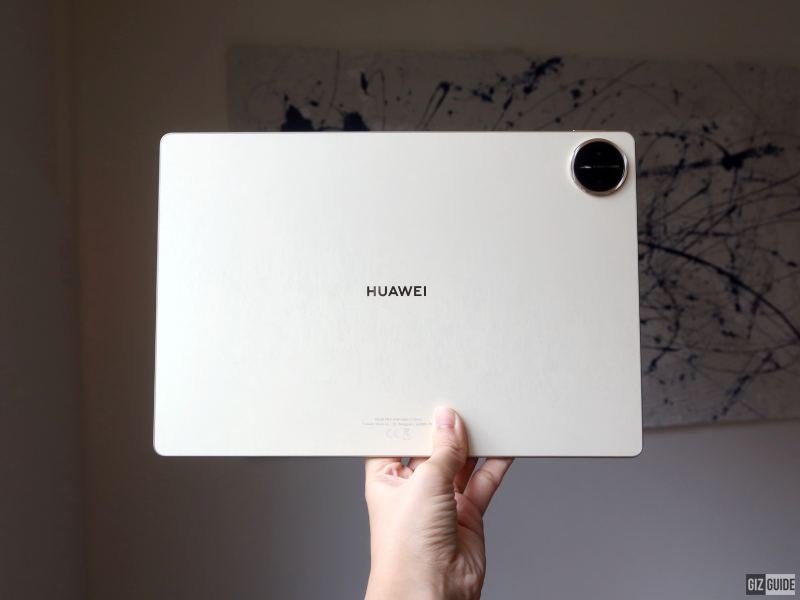
Huawei is preparing to launch its next premium tablet, the Huawei MatePad Pro Max, and early leaks have already revealed several exciting details about the upcoming device. The new MatePad Pro Max is expected to arrive with a refreshed design, powerful hardware, and productivity-focused features aimed at both professionals and entertainment users.
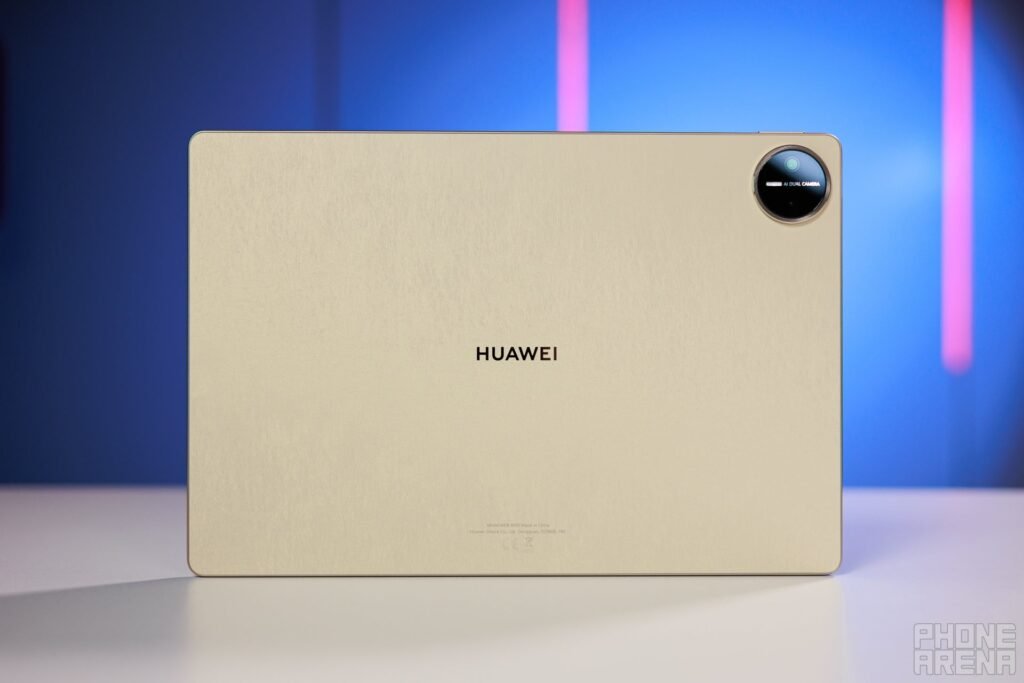
According to recent reports, Huawei will introduce a sleek and ultra-thin design with the MatePad Pro Max. The tablet is rumored to feature a metal body with extremely slim bezels around the display, giving it a modern and premium appearance. Huawei is also expected to use a redesigned circular rear camera module inspired by its flagship Mate smartphone lineup. The overall design language appears more refined compared to previous MatePad models.
One of the biggest highlights of the upcoming tablet is expected to be its large 13.2-inch OLED display. Reports suggest the panel could support a 144Hz refresh rate, offering smoother scrolling, gaming, and multitasking performance. Huawei may also include its PaperMatte display technology, which helps reduce glare and provides a more comfortable viewing experience during long usage sessions.
Under the hood, the MatePad Pro Max is rumored to be powered by Huawei’s latest Kirin 9-series chipset. While official specifications are still under wraps, the processor is expected to deliver flagship-level performance for gaming, video editing, and productivity tasks. Huawei may also pair the chipset with generous RAM and storage configurations for improved multitasking.
The tablet is also likely to focus heavily on productivity features. Huawei is expected to launch the device with support for a smart keyboard accessory and upgraded stylus functionality. The company’s Glide Keyboard technology could transform the MatePad Pro Max into a laptop-like workstation, making it suitable for students, business users, and content creators.
Battery life could be another strong point of the upcoming tablet. Leaks suggest the MatePad Pro Max may support 66W fast charging, allowing users to quickly recharge the device. A large battery capacity is also expected to ensure all-day usage for work and entertainment.
Huawei may continue improving its HarmonyOS ecosystem with the new tablet. Features like multi-screen collaboration, cross-device file sharing, and app continuity are expected to play a major role in enhancing user experience. These features could allow seamless interaction between Huawei smartphones, laptops, and tablets.
In terms of cameras, the MatePad Pro Max is expected to include upgraded rear sensors for document scanning, video calls, and photography. The front camera could also receive improvements for better video conferencing quality, which has become increasingly important for remote work and online learning.
Although Huawei has not officially confirmed the launch date, reports indicate that the tablet could debut very soon in China before expanding to global markets. Pricing details are still unknown, but the MatePad Pro Max is expected to compete in the premium tablet segment against devices from Apple and Samsung.
With its premium design, high-refresh-rate OLED display, flagship chipset, and productivity-focused software features, the Huawei MatePad Pro Max could become one of the company’s most powerful tablets to date. More official details are expected to emerge in the coming weeks as Huawei prepares for the launch.
FAQs
1. What display will the Huawei MatePad Pro Max feature?
The tablet is expected to feature a 13.2-inch OLED display with a 144Hz refresh rate.
2. Which processor may power the MatePad Pro Max?
Leaks suggest the tablet could use Huawei’s latest Kirin 9-series chipset.
3. Will the Huawei MatePad Pro Max support fast charging?
Yes, the device is rumored to support 66W fast charging technology.
4. What productivity features are expected on the tablet?
The tablet may support Huawei’s Glide Keyboard, stylus features, and multi-screen collaboration tools.
5. When will the Huawei MatePad Pro Max launch?
Huawei has not officially confirmed the launch date yet, but reports suggest it could launch soon in China.