Compare
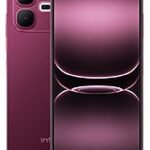
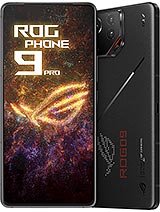
Asus ROG Phone 9 Pro vs Cubot MegaPad
Every spec side by side. The better value in each row is marked green.
Most winsAsus ROG Phone 9 ProAsus ROG Phone 9 Pro: 2 · Cubot MegaPad: 1 wins
Biggest batteryCubot MegaPad14700 mAh
Fastest chargingAsus ROG Phone 9 Pro65W
| 2 of 3 | |||
|---|---|---|---|
| Key specs | |||
| Status | Available · 19 Nov 2024 | Available · 12 Oct 2026 | |
| Price | ≈ $1300 / £1099.99 / €1266.00 | — | |
| Chipset | Snapdragon 8 Elite | Helio G81 | |
| Screen size | 6.78″ | 13.36″ | |
| Display | Type: LTPO AMOLED, 1B colors, 185Hz, 670Hz PWM, HDR10 Brightness: 1600 nits (HBM), 2500 ni | IPS LCD | |
| Refresh rate | 185Hz | — | |
| Battery | 5800 mAh | 14700 mAh | |
| Charging | 65W | 18W | |
| Main camera | 50 MP | 16 MP | |
| Selfie camera | 32 MP | 8 MP | |
| RAM | 16/24GB | 6GB | |
| Storage | 512GB/1TB | 128GB | |
| Weight | 227 g | 846 g | |
| Water resistance | IP68 | — | |
| 5G | Yes | No | |
| Launch | |||
| Network | GSM / HSPA / LTE / 5G | GSM / HSPA / LTE | |
| Launch | Announced: 2024, November 19 Released: 2024, November 20 | — | |
| Announced | — | October 12, 2026 | |
| Status | — | Available, released October 2026 | |
| Body | |||
| Body | Dimensions: 163.8 x 76.8 x 8.9 mm (6.45 x 3.02 x 0.35 in) Weight: 227 g (8.01 oz) Build: Glass front (Gorilla Glass Victus 2), glass back (Gorilla Glass), aluminum frame SIM: Nano-SIM + eSIM / Dual Nano-SIM IP68 Water & Dust Resistant Mini-LED (648 dots) programmable matrix Gaming Triggers with Pressure Sensitive Zones | — | |
| Colors | Phantom Black | — | |
| Dimensions | — | 309.3 × 208 × 8.1 mm | |
| Weight | — | 846 g | |
| SIM | — | Nano-SIM + Nano-SIM | |
| Color | — | Gray | |
| Display | |||
| Display | Type: LTPO AMOLED, 1B colors, 185Hz, 670Hz PWM, HDR10 Brightness: 1600 nits (HBM), 2500 nits (peak) Size: 6.78 inches (~88.2% screen-to-body ratio) Resolution: 1080 x 2400 pixels, 20:9 (~388 ppi) Protection: Corning Gorilla Glass Victus 2 | — | |
| Display Test | Max Brightness: 1958 nits (measured) | — | |
| Display Type | — | IPS LCD | |
| Display Size | — | 13.36 inches | |
| Screen-to-Body Ratio | — | ~80.4% | |
| Resolution | — | 1200 × 1920 pixels | |
| Aspect Ratio | — | 16:10 | |
| Pixel Density | — | ~169 ppi | |
| Performance | |||
| Platform | OS: Android 15 (2 major Android upgrades) Chipset: Snapdragon 8 Elite (3nm) CPU: Octa-core (2x4.32 GHz + 6x3.53 GHz) GPU: Adreno 830 | — | |
| Performance Scores | AnTuTu v10: 3,042,971 GeekBench v6: 10,179 3DMark (Wild Life Extreme): 6718 | — | |
| Operating System | — | Android 16 | |
| Chipset | — | MediaTek Helio G81 (12 nm) | |
| CPU | — | Octa-core (2 × 2.0 GHz Cortex-A75 & 6 × 1.7 GHz Cortex-A55) | |
| GPU | — | Mali-G52 MC2 | |
| Memory | |||
| Memory | Internal: 512GB 16GB RAM / 1TB 24GB RAM Storage Type: UFS 4.0 Card Slot: No External: NTFS supported via USB | — | |
| RAM | — | 6GB | |
| Internal Storage | — | 128GB | |
| Card Slot | — | microSDXC (uses shared SIM slot) | |
| Camera | |||
| Main Camera | Triple: • 50 MP (wide), f/1.9, gimbal OIS • 32 MP (telephoto), 3x optical zoom • 13 MP (ultrawide), 120˚ FOV Features: LED flash, HDR, panorama Video: 8K@30fps, 4K@30/60/120fps, 1080p@30/60/120/240fps, 720p@480fps; gyro-EIS, HDR10+ | — | |
| Rear Camera | — | 16 MP, PDAF | |
| Rear Camera Features | — | LED flash | |
| Rear Video | — | 1080p@30fps | |
| Selfie | |||
| Selfie Camera | 32 MP (wide), f/2.5 Features: Panorama, HDR Video: 1080p@30fps | — | |
| Front Camera | — | 8 MP | |
| Front Video | — | 1080p@30fps | |
| Battery | |||
| Battery | Type: 5800 mAh Charging: • 65W Wired (PD3.0, PPS, QC5) – 100% in 46 min • 15W Wireless (Qi) • 10W Reverse Wired | — | |
| Battery Test | Active Use Score: 16 hours 41 minutes | — | |
| Battery Capacity | — | 14,700 mAh | |
| Charging | — | 18W wired | |
| Audio | |||
| Sound | Stereo Speakers 3.5mm Jack: Yes Audio: 32-bit/384kHz Hi-Res & Hi-Res Wireless | — | |
| Loudspeaker Test | -26.7 LUFS (Good) | — | |
| Loudspeaker | — | Six stereo speakers | |
| Speaker Configuration | — | 4 tweeters + 2 woofers | |
| 3.5mm Headphone Jack | — | No | |
| Connectivity | |||
| Comms | WLAN: Wi-Fi 6e/7, Tri-band, Wi-Fi Direct Bluetooth: 5.4 (aptX HD, Adaptive, Lossless) GPS: Multi-band (GPS, GLONASS, GALILEO, BDS, QZSS, NavIC) NFC: Yes Radio: No USB: Dual USB Type-C (Side + Bottom), DisplayPort 1.4, OTG | — | |
| Wi-Fi | — | Wi-Fi 802.11 a/b/g/n/ac | |
| Bluetooth | — | 5.0, A2DP, LE | |
| Positioning | — | GPS, GLONASS, GALILEO, BDS | |
| NFC | — | No | |
| FM Radio | — | No | |
| USB | — | USB Type-C 2.0, OTG | |
| Features | |||
| Sensors | Under-display Fingerprint, Accelerometer, Gyro, Proximity, Compass | Accelerometer | |
| Special Feature | — | Built-in rhythm light | |
| Other | |||
| Category | Details | — | |
| Models | AI2501-16G512G-BK, AI2501-24G1T-BK | — | |

Quick add